The Herbarium
The S.M. Tracy Herbarium (TAES, TAMU) is a foundation for understanding the diversity and variation of the regional flora. It supports scientific research in plant systematics, evolution, ecology, teaching, and conservation in Texas and beyond.
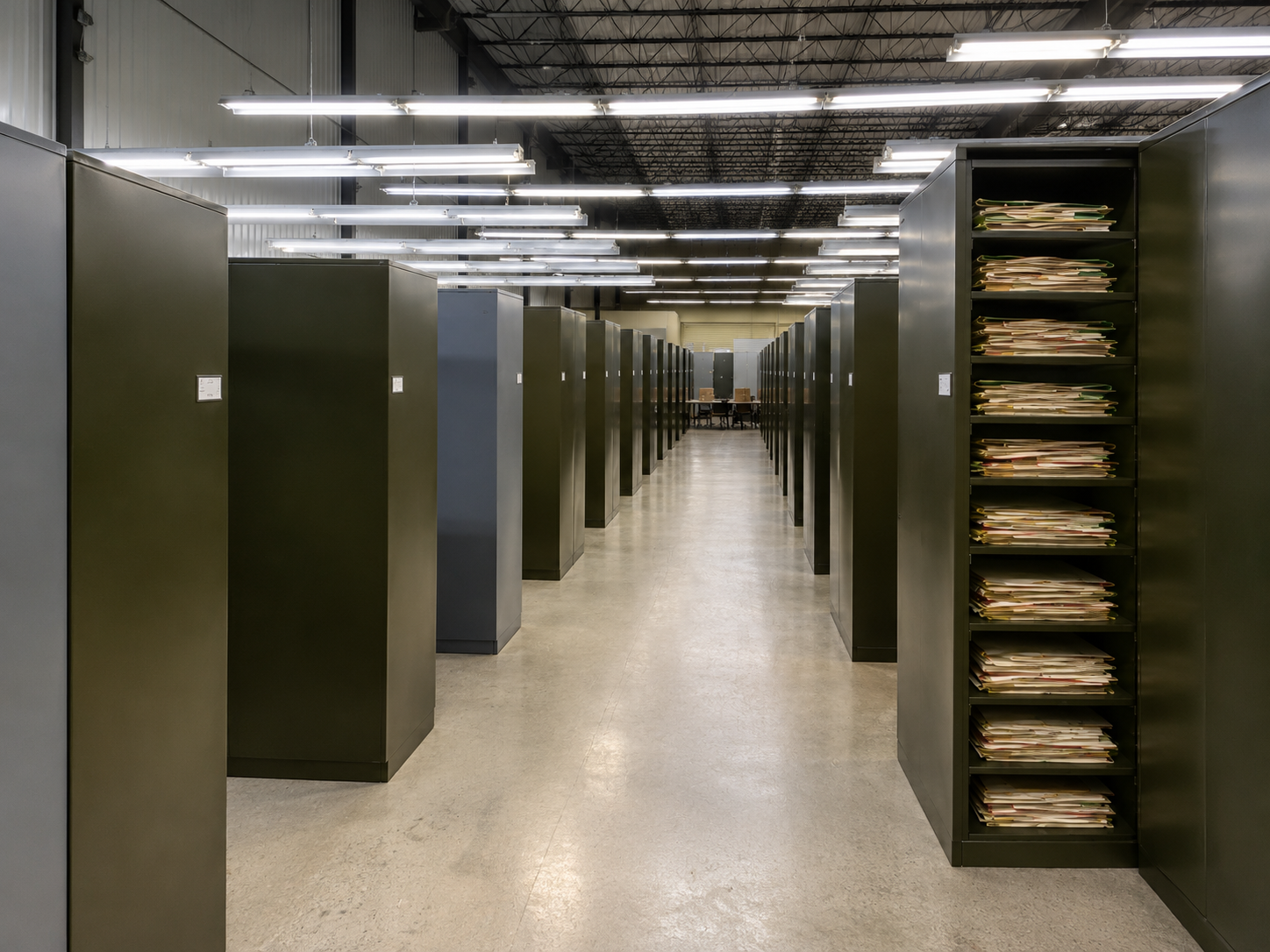
Dawson White is Curator of the S.M. Tracy Herbarium. The Integrative Plant Systematics Lab uses the herbarium to advance collections-based botanical science and to help train the next generation of herbarium curators, systematists, and biodiversity scientists.
The lab engages with the herbarium in the following ways
Collections stewardship Curation, access, and metadata Rigorous collections care, backlog reduction, integrated pest management, and standardized metadata.
The lab contributes to the long-term stewardship of the S.M. Tracy Herbarium by supporting careful curation, specimen access, data quality, and practices that preserve the scientific value of the collection for future research and education.
Strategic growth Regional floras and targeted clades Filling geographic, ecological gaps, and taxonomic gaps to strengthen this resource.
The lab uses fieldwork, partnerships, and targeted collecting to strengthen the herbarium’s representation of the Texas flora, refresh historical records, and build on its exceptional strengths in North American grasses (family Poaceae) and and other ecologically and societally important groups. regional plant diversity.
Innovation Digitization and spectral digitization Specimens anchor scientific data networks of geography, spectra, genomic data, and traits.
The lab develops and applies approaches that extend the value of herbarium specimens by linking them to images, metadata, geographic information, genomic data, reflectance spectra, and trait datasets.
Engagement A hub for Texas botany Students, naturalists, schools, extension, agencies, conservation groups, and public audiences.
The lab supports the herbarium as a place where students, researchers, naturalists, agencies, conservation groups, and community members can connect with botanical collections, plant identification, regional floristics, and stewardship of plant diversity.